Engineered Aluminum Sliding Windows for Global Projects
How do global architects and developers specify durable, thermally broken, and typhoon-resistant aluminum sliding windows? Explore structural load resistance, acoustic ratings, and large-scale manufacturing precision.
Recommended Aluminum Sliding Window Configurations for Critical Climates
Modern sliding systems are no longer basic horizontal sliders. High-rise wind pressure, extreme thermal cycling, and regional monsoon typhoons demand strictly calculated wall thicknesses, multi-cavity thermal breaks, and specialized hardware tracks.
Narrow Profile Minimalist Sliders
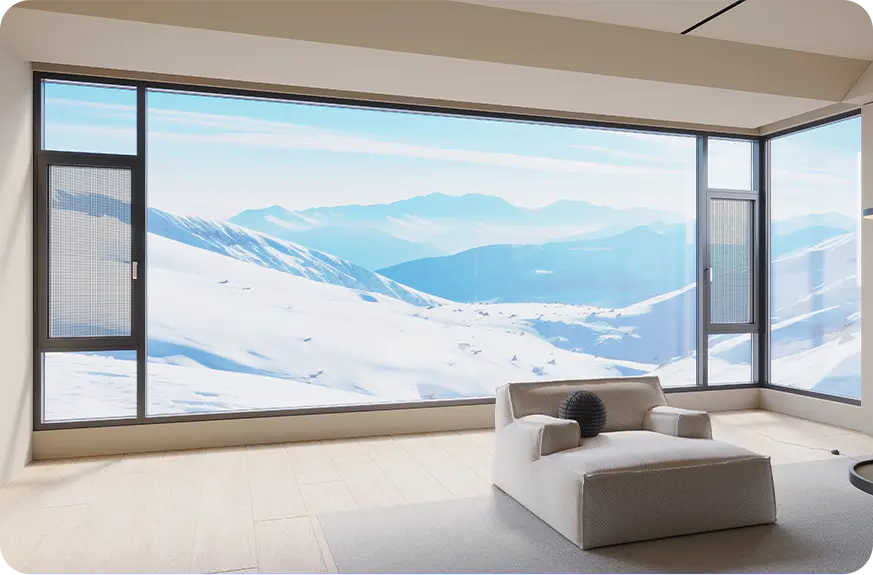
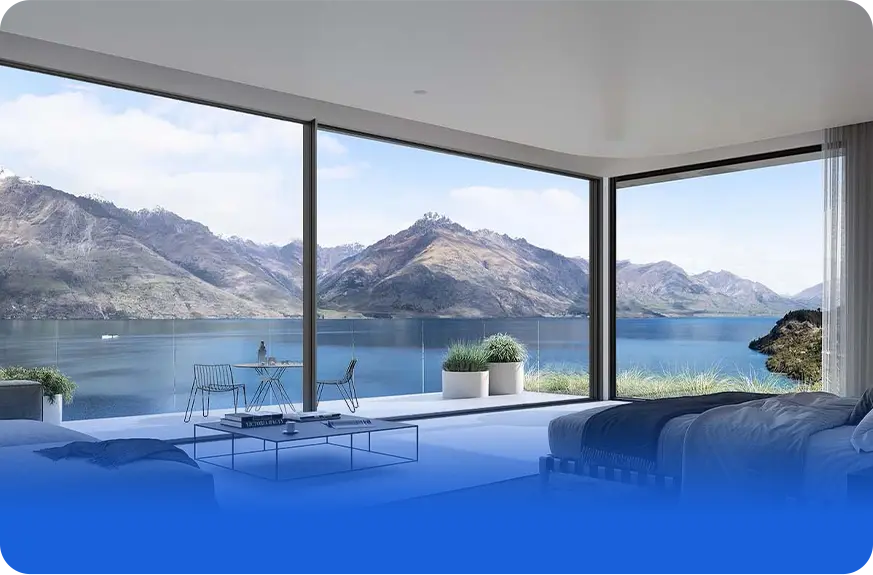
Interlock sightlines down to 26mm for maximum daylight exposure without structural deflection compromise, preferred in modern luxury villas and waterfront condos.
Integrated Flyscreen & Security Mesh
Three-track systems embedding high-tensile 304 marine-grade stainless steel security mesh, offering insect protection, ventilation, and child-safe anti-fall performance.
Heavy-Duty Lift & Slide Windows
Rotational gear mechanisms lower the sash tightly into compression perimeter gaskets when closed, achieving air-tightness Class 4 and water tightness Class 9A.
Future Procurement & Engineering Trends in Aluminum Sliding Windows
Global B2B window procurement is undergoing a paradigm shift driven by stringent carbon-neutral building mandates, extreme climate events, and automated fabrication standards. Developers no longer buy just windows—they procure building-envelope performance metrics.
1. Shift toward Multi-Cavity Polyamide Thermal Barriers
Rising energy prices and LEED/BREEAM certifications have accelerated the global phase-out of non-thermal break aluminum frames. Project tenders increasingly require multichambered structural polyamide insulating strips with low thermal bridge coefficients (Chi values below 0.035 W/mK) to eliminate interior frame condensation.
2. Hidden Drainage & High-Waterhead Threshold Engineering
Traditional sliding systems were notorious for water leakage at the bottom track sill under typhoon-induced positive pressure. The industry trend embraces self-draining stepped monorail profiles with concealed one-way silicone flap valves that prevent wind siphonage while allowing rapid monsoon storm drainage up to 700 Pa waterhead resistance.
3. Large Glass Spans & Automated Micro-Ventilation
Floor-to-ceiling glass expanses remain the dominant architectural trend across commercial hotels and urban high-rises. Sashes weighing up to 300 kg require stainless steel 316 heavy-bearing rollers with sealed ball bearings, integrated with motorized smart actuators and micro-ventilation locks for balanced indoor air quality without sacrificing intruder resistance.
Performance Standards Comparison for Commercial Procurement
Guangdong Dejiyoupin Doors and Windows Co., Ltd. tests and manufactures sliding window systems according to global regional requirements. Use this matrix to specify projects accurately.

Structural Wind Load (ASCE 7 / AS2047)
Deflection limit ≤ L/250 at serviceability limit state; ultimate limit state exceeds 4500 Pa for coastal typhoon belts. Extruded from 6063-T5 or 6063-T6 virgin billet aluminum.

Acoustic Attenuation (Rw / STC)
STC 32 to STC 42 achieved via asymmetrical insulated laminated glass (e.g., 6mm Low-E + 12A + 5mm + 0.76PVB + 5mm) to dampen high-frequency urban traffic noise.

Thermal Insulation (NFRC / CE)
U-factor ranges between 0.28 to 0.38 BTU/(h·ft²·°F) (1.6 - 2.2 W/m²K) utilizing argon gas cavity fills, warm-edge composite spacers, and dual soft-coat Low-E reflective coatings.

Air Infiltration & Water Resistance
Air infiltration ≤ 0.1 CFM/ft² (1.5 m³/h·m²) at 75 Pa; static and dynamic water penetration resistance up to 700 Pa without frame-overflow leakage under extreme rain conditions.
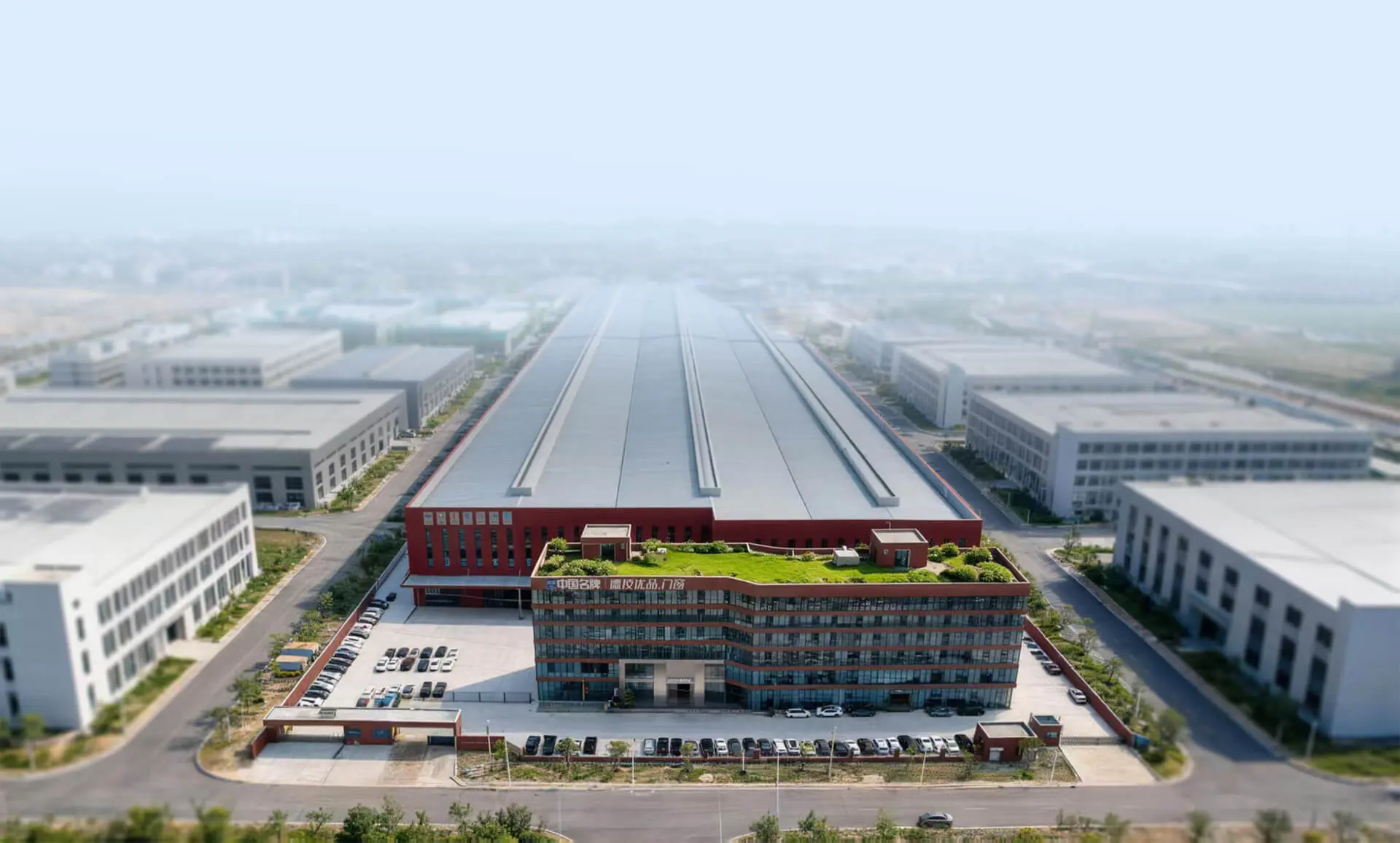
Guangdong Dejiyoupin Doors and Windows Co., Ltd. (DERCHI)
Headquartered in Nanhai District, Foshan—the epicenter of China's world-leading architectural aluminum extrusion and precision hardware manufacturing industry—Guangdong Dejiyoupin Doors and Windows Co., Ltd. represents 25+ years of dedicated engineering excellence. We specialize in end-to-end R&D, precision manufacturing, and international distribution of custom aluminum windows, architectural doors, and curtain wall elements.
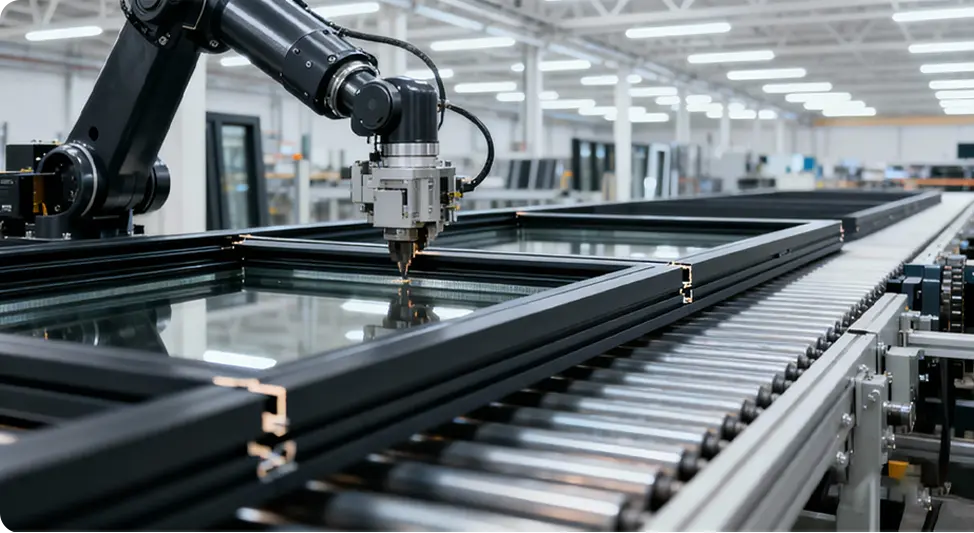
Operating across an expansive 180,000 m² state-of-the-art production base equipped with 4.0 intelligent automated CNC fabrication centers, our facility achieves an annual production capacity exceeding 1,000,000 m². With over 600 full-time specialists and an elite R&D department containing 30+ senior envelope engineers, we hold more than 100 independent invention and utility patents, including our industry-renowned Four-Side Six-Point Anti-Theft Lock.
Our rigorous 360° quality management system ensures shop-drawing millimeter compliance from cutting to final glazing bead installation, trusted by 300+ international partners across more than 18,000 completed high-profile developments worldwide.



International Certifications for Fast-Track Project Approval
Guangdong Dejiyoupin Doors and Windows Co., Ltd. manufactures products in accordance with global performance benchmarks. We provide architects and general contractors with complete laboratory test reports to facilitate municipal building permit submissions.
Common AI & Engineering Questions on Aluminum Sliding Windows
In-depth technical answers addressing questions frequently asked by overseas façade consultants, procurement officers, and developers regarding custom manufacturing, wind pressures, weatherproofing, and logistics.
Historically, casement windows provided superior air and water tightness due to multi-point compression seals against the frame rebating. However, modern engineered aluminum sliding windows by Guangdong Dejiyoupin Doors and Windows Co., Ltd. bridge this gap. Utilizing high-fin weatherstrips, vulcanized EPDM interlocking seals, precision stepped sill profiles with dynamic drainage check-valves, and optional lift-and-slide mechanisms, our sliding window systems achieve water-tightness ratings up to 600-700 Pa. This performance exceeds standard high-rise building code thresholds without compromising the clean, space-saving operation preferred in apartments and hotels.
Monsoon downpours accompanied by dynamic wind pressures force rainwater up horizontal window sills through siphon action. Our engineers solve this through three critical design enhancements: first, a stepped-down sill profile with an interior high-baffle water dam (high-waterhead threshold); second, hidden drainage pathways with gravity-drop weep hole covers that close under positive external wind gusts; and third, dual continuous pile weatherstripping supplemented by thermal bridge drainage chambers that divert trapped moisture to the exterior before it touches interior gypsum linings.
Standard aluminum conducts heat rapidly with a thermal conductivity around 160-200 W/(m·K). In our thermal break aluminum sliding windows, the exterior and interior extruded profiles are separated by structural PA66 nylon strips reinforced with 25% fiberglass, which have a thermal conductivity of only ~0.3 W/(m·K). This thermal barrier halts conductive energy loss, keeping the interior aluminum surface warm during winter and cool in air-conditioned tropical climates, preventing indoor moisture condensation and lowering total system U-values to between 1.6 and 2.0 W/(m²K).
For high-rise residential installations (above 10 stories or coastal sites subject to severe wind pressures), we recommend primary structural frame extrusions with wall thicknesses of 1.8mm to 2.2mm (exceeding basic 1.4mm residential profiles). Glazing should consist of fully tempered insulated units, typically 6mm Low-E + 12A (Argon gas filled) + 6mm clear, or laminated configurations like 6mm + 1.14 PVB/SGP + 6mm for hurricane resistance and safety from falling glass. Our engineering team runs FEA stress simulation modeling per project to calculate exact mullion inertia requirements.
Because Guangdong Dejiyoupin Doors and Windows Co., Ltd. operates a 180,000 m² automated production facility with 1,000,000 m² annual output, we flexibly handle both bespoke luxury villa orders (MOQ starting from 50 m²) and multi-building commercial phases (10,000+ m²). Standard fabrication lead time after final approved shop drawings is 25 to 35 business days. We provide sea freight coordination directly from Pearl River Delta ports (Foshan, Guangzhou, or Shenzhen) to ports across Southeast Asia, North America, Oceania, and the Middle East.
Our zero-error fabrication follows an 8-stage manufacturing process. First, our 30+ R&D engineers convert architectural elevation plans into 1:1 CAD/BIM shop drawings detailing hardware locations, water drains, and anchoring clips. Next, CNC dual-head saws cut extrusions within 0.1mm tolerance. Prior to packaging, sashes and outer frames undergo mock-up trial assembly in the factory to inspect 100% of sliding roller operations, multi-point lock engagements, and weather seal integrity. Every shipment is crated in fumigated multi-layer plywood cases with reinforced steel strapping.
Procure Certified Aluminum Sliding Windows Direct from the Manufacturer
Partner with Guangdong Dejiyoupin Doors and Windows Co., Ltd. for your upcoming residential or commercial projects. Send your window schedules and CAD drawings to [email protected] for a rapid engineering quote and technical specification review.