An Aluminum Window can bring strength, slim sightlines, and a clean finish to a project. Its rigid frame supports broad glass areas, helping rooms feel brighter and more open. Aluminum also resists swelling and warping, a practical advantage where temperatures and humidity change. Still, the frame alone does not guarantee comfort. Glass, thermal breaks, seals, and installation matter just as much.
As an illustrative, not independently verified, expert voice, fenestration consultant Daniel Mercer puts the decision this way: “Choose aluminum for the demands of the whole opening, not just the look of the frame.” That principle keeps the conversation grounded. A well-designed thermal break can reduce heat transfer, while suitable glazing helps manage glare and indoor temperatures. Ask for tested performance data, not broad promises. Details count.
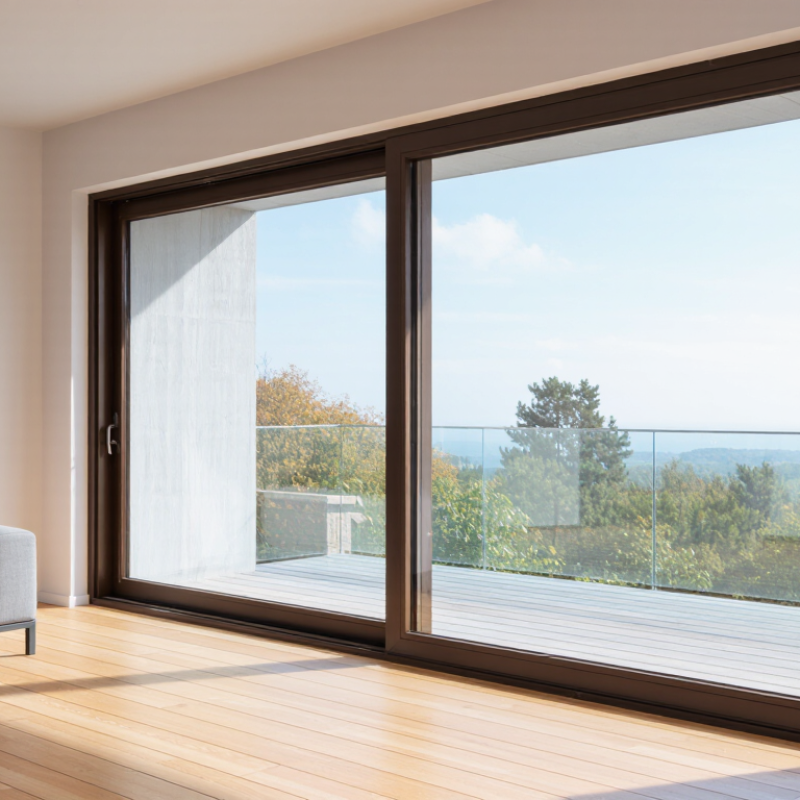
Picture a dark bronze frame around a wide living-room window. The profile looks crisp, and the sash moves smoothly. Yet a poorly specified system may feel cold near the glass or allow drafts at the joints. Coastal exposure also deserves attention; finishes and maintenance should suit the site. Aluminum is not automatically the best answer. It becomes a strong choice when the project’s climate, budget, appearance, and energy goals align—and when an experienced installer follows the manufacturer’s specifications.
What Aluminum Windows Are and How They Work
An aluminum window is a glazed unit held within a frame made from shaped aluminum sections. The metal is light for its strength, so frames can stay relatively slim while supporting large panes. That can bring more daylight into a room. The frame usually includes a head, sill, jambs, and a moving sash, depending on the design.
The glass sits in the sash or fixed frame, held by glazing beads and cushioned with seals. When a window closes, compression seals help limit drafts and rain entry. Small drainage channels guide water back outside. They matter. A blocked channel can leave water sitting in the sill, so installation details and occasional checks count.
Aluminum conducts heat readily, which can make an uninsulated frame less effective in cold or hot conditions. Many designs use a thermal break: a low-conductivity strip separates the inner and outer aluminum sections. This reduces heat transfer, though actual performance also depends on the glass, seals, and fitting. Not always simple. A sliding sash runs along tracks, while a hinged sash turns on hinges; each needs suitable clearance and hardware. Look closely at corner joints and seals, too. They may seem minor, but poor alignment can cause sticking or small leaks. Windows are not maintenance-free; dust in tracks and worn seals deserve attention.
| Window Component | What It Is | How It Works | Project Benefit | What to Check |
|---|---|---|---|---|
| Aluminum frame | A rigid frame made from shaped aluminum profiles that hold the glazing and connect to the building opening. | The frame transfers the window’s weight and loads, including wind pressure, to its fixing points in the surrounding structure. | Its strength allows relatively slim frame sections and large areas of glass, subject to the system design and structural requirements. | Confirm profile dimensions, finish, fixing method, and suitability for the window size and local exposure conditions. |
| Thermal break | An insulating material fitted between the inner and outer sections of a thermally improved aluminum frame. | It reduces direct heat transfer through the metal from the exterior side of the frame to the interior side. | Helps improve frame insulation and reduce the likelihood of cold interior frame surfaces compared with non-thermally broken frames. | Check whether the frame is thermally broken and review whole-window thermal performance, not just the glass specification. |
| Insulating glass unit | Two or more panes of glass separated by a sealed cavity; the cavity may contain air or an insulating gas. | The panes and cavity slow heat transfer. Coatings can also reduce heat flow or solar gain, depending on the glass specification. | Can support energy efficiency, indoor comfort, and noise control when selected for the climate and project needs. | Specify glazing by required thermal, solar-control, safety, and acoustic performance for the location. |
| Gaskets and seals | Flexible sealing materials fitted around the glass, sash, or frame joints. | When the window closes, the seals compress to limit air and water passage through the operable joints. | Help control drafts and water entry while allowing the sash to open and close. | Look for continuous, correctly fitted seals and ensure the system is appropriate for the site’s wind and rain exposure. |
| Drainage and weep paths | Designed channels and openings within the frame that manage water reaching the window system. | Water that passes the outer seals is directed through the frame’s drainage route and discharged to the exterior. | Provides a planned route for incidental water rather than relying on the frame to remain completely dry. | Check that drainage openings are not blocked and that installation details allow water to discharge outward. |
| Hardware and operating mechanism | Handles, hinges, locks, rollers, and other parts used to operate and secure the sash. | The hardware guides the sash through its opening movement and draws it against the seals when closed. | Supports everyday usability, ventilation, and secure closure. | Match hardware to the sash type, size, expected use, and required security level. |
| Protective surface finish | A coating or anodized surface applied to the aluminum profile. | The finish provides the selected appearance and helps protect the surface from environmental exposure. | Offers a range of colors and surface appearances, with durability depending on the finish and conditions. | Choose a finish suited to the project environment and follow the supplier’s cleaning and maintenance guidance. |
| Installation and perimeter joint | The connection between the window frame and the wall opening, including fasteners, insulation, and weather sealing. | A correctly designed joint secures the frame and manages air, moisture, and movement at the interface with the building. | Allows the window’s intended performance to work as part of the complete wall assembly. | Use project-specific installation details; frame performance can be reduced by poor fixing or incomplete perimeter sealing. |
FAQS
It has a frame made from shaped aluminum sections and glass held by beads and seals. The frame commonly includes a head, sill, and side jambs.
Aluminum is light for its strength, so frames can support large panes without bulky sections. That can bring more daylight indoors.
It separates the frame’s inner and outer aluminum sections with a low-conductivity strip. This reduces heat transfer, but glass and seals matter too.
Small channels guide water outside through the sill. They matter. If a channel gets blocked, water can collect in the frame.
Yes. Clear dust from sliding tracks and check seals for wear. A sticking sash or small leak may point to alignment problems.
Heated aluminum billets are pushed through shaped dies to form long profiles. The profiles are cut, machined for hardware and drainage, then assembled and checked.
No. Recycling uses roughly five percent of the energy required for primary aluminum production, according to the article. Window performance still depends on glass, seals, installation, and climate.
Look at corner joints, seals, drainage openings, and the fit within the building opening. It is easy to focus on a slim frame and overlook the sill.
Conclusion
An Aluminum Window is built around a frame made from lightweight, durable aluminum profiles that hold the glass and connect the moving parts. Its design begins with selecting suitable profile shapes and dimensions, then forming and finishing the frame components before they are assembled with glazing, seals, and hardware. The result is a window system that can be tailored to different opening styles and project requirements.
Aluminum windows offer strength, a slim frame appearance, and design flexibility, making them suitable for homes, offices, commercial buildings, and other projects where daylight and lasting performance matter. When choosing a system, consider thermal and sound insulation, weather resistance, frame finish, glazing options, maintenance needs, and the building’s size and style. Matching these factors to the project can help create a practical, attractive window solution that performs well over time.