Featured Architectural Aluminum Stacking & Multi-Slide Systems
Factory-direct thermal break and structural glass stacking door systems designed for extreme wind loads, ultra-wide panoramic expanses, and heavy commercial transitions.
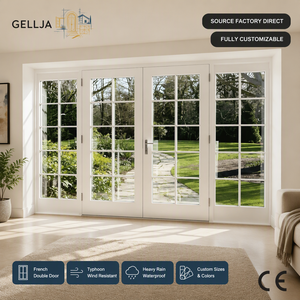
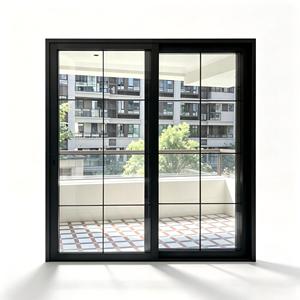
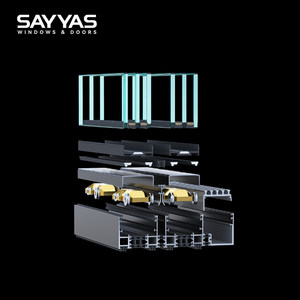
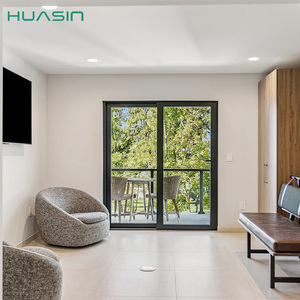
Foshan Industrial Cluster: 25+ Years of Export Authority
Operating out of Shishan Town, Nanhai District, Guangdong Dejiyoupin Doors and Windows Co., Ltd. (DERCHI) leads China’s architectural fenestration sector through certified precision engineering and end-to-end global project compliance.
Intelligent Production Facility
Annual Fabricated Capacity
Patents & Proprietary Hardware
Delivered Commercial References
Proprietary Security Engineering
Holder of the exclusive "Four-Side Six-Point Lock" invention patent. Our stacking panel interlocking mechanisms eliminate jamb deflection under dynamic pry loads while retaining architectural micro-sightlines.
Comprehensive Compliance Coverage
Pre-engineered to surpass international wind, water, and thermal building mandates. Certified under European CE standards, Australian AS2047, North American NFRC/CSA protocols, and Florida Building Code TAS-202 hurricane criteria.
8-Step Precision Project Control
From initial DWG structural analysis and parametric thermal simulations to factory dry-fit test assembly and overseas installation oversight, our 600+ workforce ensures flawless execution across multijurisdictional sites.
Evolutionary Trajectory of Aluminium Stacking Systems
Examining the structural shift from rudimentary multi-track patio sliders to thermally separated, automated monolithic stacking envelopes.
High-Tensile 6063-T6 & 6005A Alloys
Modern architectural projects mandate massive, unimpeded spans reaching up to 4.5 meters in height. The shift toward modified multi-chamber structural aluminum profiles reinforced with internal high-tensile steel stiffeners allows stacking doors to maintain structural rigidity under cyclical typhoons without profile buckling or excessive jamb deflection.
Multi-Cavity PA66 Polyamide Breaks
Legacy sliding configurations generated severe thermal bridging that caused perimeter condensation and heavy HVAC cooling loss. Contemporary high-spec stacking doors utilize 24mm to 34mm technoform polyamides enriched with 25% fiberglass, achieving overall U-values well below 1.4 W/m²·K when paired with Low-E gas-filled insulated glazed units.
Sub-Sill Drainage & Flush Tracks
Zero-step interior-to-exterior transitions once suffered from catastrophic water ingress during driving monsoon rains. Current engineering integrates hidden cascading sub-sill drain chambers with integrated check valves, safely expelling up to 450 Pascals of dynamic water pressure directly into exterior storm lines without interior overflow.
| Performance Vector | Legacy Stacking Systems (Pre-2020) | DERCHI Commercial Stacking Spec | Next-Gen High-Performance Trend |
|---|---|---|---|
| Alloy Wall Thickness | 1.4mm – 1.6mm Non-Thermal Extrusion | 2.0mm – 3.0mm 6063-T6 Structural | 3.0mm+ Reinforced Composite Stiffeners |
| Thermal Transmittance (U-Value) | > 3.8 W/m²·K (High Energy Loss) | 1.2 – 1.6 W/m²·K (Low-E Argon Double) | < 0.8 W/m²·K (Vacuum / Triple Cavity) |
| Water Tightness Under Pressure | Class 2 (150 Pa Threshold Limit) | Class 9A (≥ 600 Pa Cascading Drain) | Class E1050 (≥ 1050 Pa Sealed Lift-Slide) |
| Max Single Panel Capacity | Up to 150 kg (Standard Rollers) | 400 kg – 600 kg (Heavy Precision Bearings) | 800 kg+ (Magnetic Levitation / Motorized) |
| Acoustic Attenuation (Rw) | 24 – 28 dB (Monolithic Float Glass) | 38 – 44 dB (Acoustic PVB Laminated) | 48 dB+ (Decoupled Multi-Cavity Glazing) |
Future Sourcing Paradigms: What Global Specifiers Must Know
International trade requirements, architectural standards, and automated logistics are rapidly changing how developers procure custom aluminum stacking assemblies from China.
1. Direct-to-Factory BIM & ERP Integration
Specifiers no longer rely on static PDFs. Leading Chinese suppliers receive Revit/IFC parametric models directly into enterprise production workflows. This mitigates translation discrepancies, accelerates CNC profile routing, and ensures zero dimensional error across structural openings.
2. Stringent Embodied Carbon & ESG Audits
With the rise of carbon border adjustments (CBAM) in Europe and LEED certifications globally, tier-1 Chinese manufacturers now provide certified low-carbon recycled aluminum billet options, supported by complete Environmental Product Declarations (EPDs).
3. Pre-Assembled "Unitized" Sea Freight Cradles
Labor shortages on Western job sites are shifting demand from knock-down (KD) kits toward fully glazed, modular sub-assemblies. Heavy-duty steel export cradles engineered with desiccants and moisture-barrier membranes safeguard pre-calibrated stacking doors throughout open-ocean freight.
Aluminium Stacking Doors Procurement FAQ
Direct answers addressing technical queries encountered by developers, structural engineers, and global importers during factory evaluation.