Featured Hurricane-Impact & Thermal Break Aluminum Systems
Tested under severe cyclic pressure differentials and high-velocity wind loads. Engineered directly in our Foshan manufacturing facility for high-tier commercial, residential, and institutional developments.
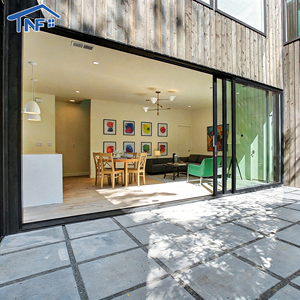
- Profile: 6063-T6 Structural Grade
- Rating: Heavy Wind Resistance Class 4
- Glazing: Argon-filled Low-E DGU
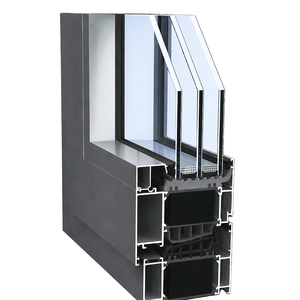
- Thermal Value: U-factor ≤ 0.8 W/m²·K
- Barrier: PA66 GF25 Polyamide Strips
- Airtightness: EN 12207 Class 4 Certified
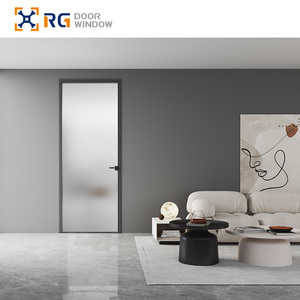
- Acoustics: Sound Rw up to 42 dB
- Locking: 4-Side Multi-Point Ingot
- Gaskets: Continuous EPDM Vulcanized
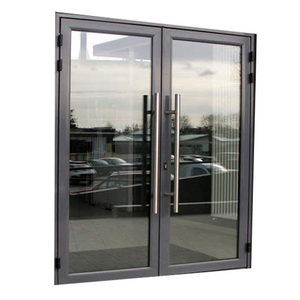
- Cycle Test: Over 500,000 Operations
- Wall Thickness: 3.0mm Structural Corner
- Hydraulics: Dorma/Geze Floor Spring
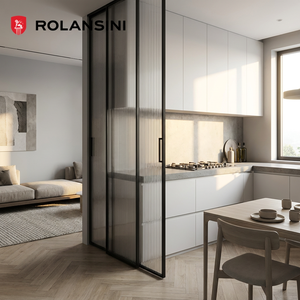
- Interlock Sightline: Ultra-Slim 20mm
- Testing: AS2047 & AS1288 Certified
- Drainage: Sub-sill Concealed Weir
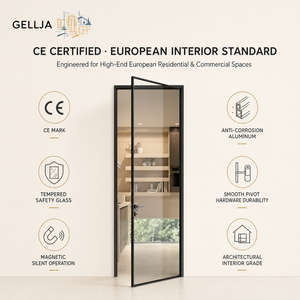
- Finishing: AkzoNobel Fluorocarbon
- Hardware: Concealed 3D Adjustable Hinge
- Infill: 8mm/10mm Low-Iron Monolithic
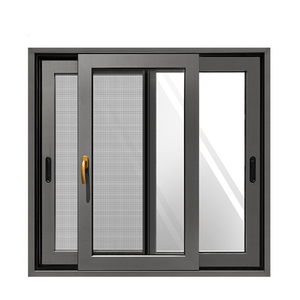
- Impact Rating: Missile Level D ASTM E1996
- Design Pressure: DP ±70 PSF
- Interlayer: SentryGlas (SGP) / PVB 1.52
- Coating: Super Durable Matt Finish
- Corrosion: AAMA 2604 Coastal Resilient
- Threshold: Low-Profile Barrier Free
1. Engineering Fundamentals of Architectural Aluminum Storm Windows
In high-wind vulnerability zones, tropical cyclonic belts, and extreme weather corridors, standard residential window systems fail primarily due to dynamic structural deflection, frame racking, gasket blowouts, and water ingress driven by positive/negative pressure cycles. Industrial aluminum storm windows manufactured in specialized Chinese facilities address these hazards through high-yield architectural alloy metallurgy, integrated thermal barrier technology, and laminated impact glass composite assemblies.
Primary extrusion alloy selection dictates structural integrity. High-spec OEM factories strictly utilize primary virgin 6063-T5 or 6063-T6 aluminum alloys, maintaining minimum tensile yield strengths exceeding 160 MPa. Unlike secondary re-melt billet formulations that contain excessive iron contaminants, virgin extrusions maintain structural elasticity under severe cyclic buffeting. Corner joints rely on heavy-duty corner keys injected with structural two-component polyurethane (PU) adhesives alongside computerized pneumatic crimping, achieving shear strengths impossible with mechanical screw fastening.
Technical Distinction: Storm Windows vs. Secondary Glazing: Purpose-built wholesale storm windows serve as the frontline defense envelope (Structural Design Pressure ≥ DP 50 to DP 100), designed to bear the dynamic building kinetic wind load, prevent catastrophic envelope breach during 250 km/h wind events, and eliminate high-velocity water ingress via hydrostatic pressure neutralization cavities.
Water penetration resistance during tropical storms cannot rely purely on gravity drains. Premium storm window extrusions incorporate pressure-equalized rain-screen principles. By introducing compartmentalized internal baffle chambers, the internal air pressure within the profile matches the external dynamic wind pressure. Consequently, wind velocity cannot drive rain water into the building interior. Water drains freely through one-way concealed drainage weep slots equipped with anti-backdraft EPDM flap valves.
2. International Compliance Standards: B2B Sourcing Comparison Matrix
Direct B2B commercial purchasers and glazing sub-contractors require precise verification that wholesale fenestration assemblies conform to jurisdictional building codes. Chinese manufacturers of storm systems engineer structural profiles to pass testing regimes dictated by North American, Australian, and European authorities.
| Standard / Regulation | Geographic Jurisdiction | Critical Test Metric | Engineering Solution Protocol |
|---|---|---|---|
| ASTM E1886 / E1996 | USA (HVHZ & Coastal Belts) | 9-lb 2x4 lumber impact @ 50 ft/s + 9,000 cyclic wind cycles | PVB/SGP (SentryGlas) composite laminated glass, Dow Corning 995 structural silicone glazing |
| Miami-Dade TAS 201/202/203 | Florida High-Velocity Hurricane Zone | Large missile impact, static air infiltration (≤ 0.1 cfm/ft²), cyclic static pressure up to 150 PSF | Reinforced steel mullion inserts, 4-Side Multi-Point heavy cast steel hardware, 3.0mm wall thickness |
| AS 2047 / AS 1288 | Australia & New Zealand | Deflection span ratios (1/250), Ultimate Wind Pressure up to 4500 Pa (N6/C4 cyclonic) | Heavy-gauge sliding interlocks, sub-sill weep tray assemblies, stainless steel tandem rollers |
| EN 12211 / EN 14351-1 | European Union (CE Marking) | Class C5 wind resistance (2000 Pa test pressure), Class 9A water tightness (600 Pa) | Multi-chamber PA66 GF25 thermal break strips, co-extruded foamed EPDM perimeter gaskets |
| NFRC 100/200/400 | North America Energy Star | U-Factor ≤ 0.26 BTU/hr·ft²·°F, SHGC ≤ 0.20, Air Leakage ≤ 0.3 cfm/ft² | Triple pane Low-E insulated glass units (IGU), Warm-edge composite spacer, 95% Argon gas filling |
Procuring directly from DERCHI guarantees that every test report, fabrication CAD drawing, structural calculation report, and glass manufacturer warranty (Saint-Gobain, CSG, or Xinyi) matches target municipal specifications before production begins.
3. Strategic Future Procurement Trends in Aluminum Fenestration (2025–2030)
The global storm window industry is undergoing substantial shifts driven by strict decarbonization targets, extreme climatic events, and architectural preferences for maximal visible daylight. Forward-thinking project developers and wholesale distributors should structure procurement strategies around four evolving market vectors:
Circular Metallurgy & Low-Carbon Aluminum
Global developers face embodied carbon auditing under LEED v4.1 and BREEAM. Wholesale procurement is pivoting rapidly toward hydro-powered low-carbon aluminum extrusions (< 4.0 kg CO²e per kg Al). Chinese premier manufacturers are certified for environmental product declarations (EPD), enabling project compliance with strict European and American ESG procurement mandates.
Structural SGP Interlayers vs Standard PVB
Architects demand ultra-narrow frame sightlines (sub-25mm interlocks) across multi-meter storm sliding walls. Traditional 1.52mm PVB softens under elevated ambient temperatures. SentryGlas (SGP) ionoplast interlayers maintain 5 times the tear strength and 100 times the rigidity of PVB, preventing post-breakage pane collapse under typhoon wind currents.
Smart BMS Integration & Motorized Hurricane Latches
Commercial projects increasingly specify motorized, multi-point storm locking that communicates directly with central Building Management Systems (BMS). Upon detection of rapid barometric drop or wind anemometer triggers above 25 m/s, windows close automatically and compress the four-side pneumatic seals to secure the envelope.
4. Foshan Factory Production Prowess & The 8-Step Execution Model
Located in Nanhai District, Foshan—the epicenter of China's architectural aluminum profile extruders and precision hardware casting clusters—Guangdong Dejiyoupin Doors and Windows Co., Ltd. (DERCHI) represents the gold standard in high-end export fenestration. Backed by 25+ years of dedicated engineering and a modern 180,000 m² production complex, our facility achieves annual production capacities surpassing 1,000,000 m².
Our operational superiority relies on the proprietary Four-Side Six-Point Lock invention patent, multi-chambered thermal breaks, and a comprehensive 360-degree quality audit regime. International purchasers avoid the risks of dimensional variance, surface finish failure, and thermal bridging through our disciplined 8-Step Engineering Protocol:
Drawing & Static Review
In-depth wind load simulation (FEA) and structural glass deflection verification based on project architectural elevations.
R&D Profile Matching
Customizing alloy wall thickness, thermal barrier depth, and reinforcement channels for target climate zones.
Cost Optimization Proposal
Transparent B2B breakdown across extrusion pricing, glass configurations, hardware brands, and freight packaging.
CAD Shop Drawing Sign-Off
Full 1:1 cross-sectional joinery detailing, perimeter flashing interfaces, and anchor schedule sign-offs.
Production Scheduling
Allocation of automated CNC 5-axis milling centers and computerized corner-crimping manufacturing lines.
On-Site Mockup / Laser Check
Coordinate laser measurement audits or physical chamber mockup validation for zero-deviation installation fit.
360° Factory QC & Pre-Assembly
100% pre-assembly inspection: diagonal squaring tolerances (≤ 1.0mm), gasket seating, and air leak checks.
On-Site Guidance & Logistics
Heavy-duty steel A-frame sea-freight crating and digital BIM/video technical installation support for local contractors.
5. Commercial Procurement FAQ: Navigating Factory Sourcing from China
Critical procurement intelligence for real estate developers, general contractors, commercial quantity surveyors, and regional window distributors:
What is the standard lead time for bespoke hurricane-impact window orders?
Standard fabrication spans 25 to 35 working days upon approved shop drawings and deposit. Extrusion anodizing or bespoke powder coating (AAMA 2605 / AkzoNobel Interpon) requires 7-10 days, followed by precision CNC machining, IGU gas charging, and structural silicone curing (minimum 14 days full cure under controlled humidity). Ocean transit from Pearl River Delta ports (Shenzhen/Guangzhou/Foshan) to US West Coast takes 14-18 days; US East Coast takes 28-32 days; Southeast Asian ports take 4-7 days.
How does DERCHI ensure sea-freight cargo against glass delamination and frame scratching?
Packaging utilizes custom fumigated closed-plywood or steel A-frame crating. Every aluminum member is wrapped in protective blue static film and micro-foam sheeting. Glazing units incorporate cork separation pads and desiccant bags to prevent moisture entrapment and chemical haze during ocean crossing. Crates are loaded via overhead crane and locked into 40ft HQ containers with high-tensile ratchet webbing to prevent shifting in rough sea states.
Can you supply project-specific third-party test reports for municipal permitting?
Yes. DERCHI products are fully tested under international certification schemes including CE, NFRC, AS2047, CSA, Energy Star, and ISO 9001. For commercial tenders requiring job-site specific testing, we coordinate full-scale prototype testing (air, water, structural, dynamic wind) at accredited ILAC-MRA laboratories (such as Intertek or SGS) and provide certified engineering calculation stamps.
What surface coatings are recommended for harsh coastal marine atmospheres?
For coastal applications within 3 miles (5 km) of the coastline, standard powder coats fail prematurely via filiform corrosion. We recommend Fluorocarbon PVDF coatings (70% Kynar 500) conforming to AAMA 2605 or Class 1 Architectural Anodizing (25-micron thickness). These systems withstand 4,000+ hours of continuous neutral salt spray testing (ASTM B117) without chalking, blistering, or gloss degradation.
What are the Minimum Order Quantities (MOQ) and sample verification terms?
For standard architectural profiles in stock architectural finishes (Matte Black, Dark Bronze, Crisp White, Silver Anodized), our MOQ starts at 50 m² (or a single villa project schedule). For custom die extrusions or specialized architectural finishes, MOQ is typically 300 m². Full corner-cut structural samples, hardware display kits, and small-format operable mockups are shipped globally via DHL/FedEx air freight within 7 business days for owner and consultant review.
Ready to Engineer Your Project's Storm Protection Envelope?
Connect with our Foshan fenestration structural engineers. Upload your architectural CAD schedule, elevation drawings, and wind load parameters to receive structural calculations, complete compliance dossiers, and wholesale factory-direct quotation within 24 hours.