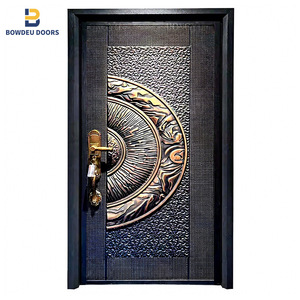
Zinc Alloy Clad
Waterproof Core
Villa Grade
Sourcing high-performance aluminium and glass windows requires navigating structural wind-load tolerances, thermal boundary integrity, acoustic attenuation thresholds, and global code conformances (including AS2047, NFRC, CE, and CSA). Below is the comprehensive evaluation of the market's leading architectural systems and technical supply benchmarks.
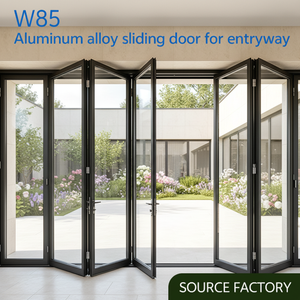
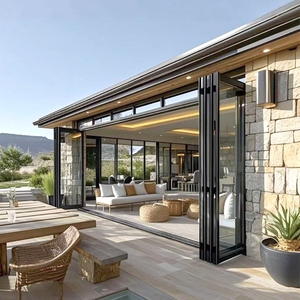
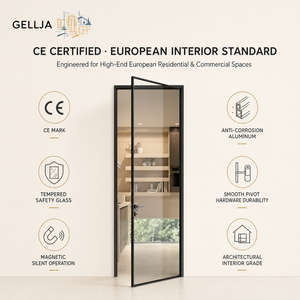
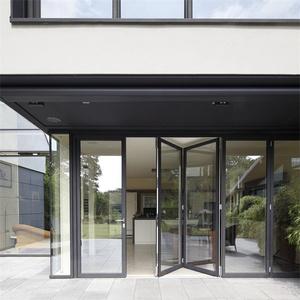
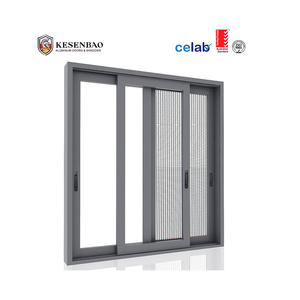
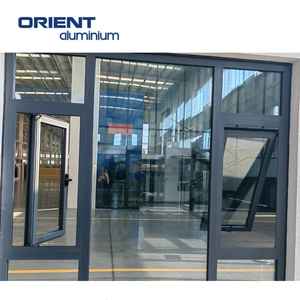
A systematic technical evaluation contrasting tier-one global suppliers across structural engineering limits, extrusion alloy purity, glazing customization, and project supply-chain agility.
| Supplier Classification | Primary Geographic Hub | Core Alloy & Thermal Barrier Specs | Impact & Wind Load Engineering | Lead Time & MOQs | Best Suited Application |
|---|---|---|---|---|---|
| Tier 1 Integrated Fabricator (e.g., DERCHI) | Foshan, China (Industrial Hub) | 6063-T5 / 6061-T6 Primary Ingot; 24-34mm PA66 GF25 Polyamide Strips | Engineered for Wind Pressures up to 5000+ Pa; ASTM / AS2047 Impact Testing | 20–35 Days; Flexible Project Schedules | Luxury High-Rise, High-End Residential Villas, Commercial Mixed-Use |
| European Proprietary Systems | Germany, Italy, Belgium | Standard 6060/6063 Alloys; Patented Thermal Breaks | High Acoustic & Thermal; Conservative Hurricane/Typhoon Certifications | 12–20 Weeks; Strict Batch Constraints | Heritage Retrofits, Ultra-Low Energy Passive Houses (Central Europe) |
| North American Commercial Assemblers | USA, Canada | Standard Poured & Debridged Polyurethane / Modular Strips | AAMA / NFRC Prescriptive Standards; Heavy Frame Weight | 10–16 Weeks; Higher Capital Cost Profiles | Domestic Low-to-Mid Rise Commercial Storefronts |
| Regional Commodity Assemblers | Southeast Asia, South Asia | Secondary / Recycled Billet Scraps Common; Basic Gaskets | Limited Wind-Load Submissions; Basic Water Penetration Resistance | 15–25 Days; Low Initial Price Points | Low-Cost Interior Partitioning & Temporary Accommodations |
Headquartered in Nanhai District, Foshan—the epicenter of global architectural aluminum production—DERCHI pairs 25+ years of precision manufacturing with full-envelope custom facade engineering.
Automated CNC multi-axis machining centers ensure corner-crimp tolerances within ±0.2mm, preventing water penetration and ensuring exact fitment with architectural structural drawings.
DERCHI holds the national invention patent for the Four-Side Six-Point locking hardware system, delivering unparalleled anti-lever resistance and uniform perimeter gasket compression.
Every extruded sash and insulated glass unit undergoes 100% factory pre-assembly, water infiltration pressure-chamber validation, and air permeability stress testing before shipping.
Direct proximity to Pearl River Delta shipping lanes allows seamless global containerization with custom steel-reinforced A-frames, minimizing glass deflections during sea freight.
Commercial developers and architectural specifiers face shifting regulatory mandates, extreme climate conditions, and aggressive carbon neutral initiatives.
Procurement frameworks now demand documented Environmental Product Declarations (EPDs). The market is pivoting aggressively toward hydro-powered low-carbon aluminum billets that reduce embodied carbon by up to 65% compared to legacy coal-fired smelting.
Stricter national building energy codes are driving the shift toward multi-cavity polyamide profiles incorporating expanded aerogel insulation strips, coupled with triple silver Low-E argon or krypton gas-filled IGUs to reach U-factors below 0.8 W/m²·K.
Smart façades are integrating concealed micro-linear actuators directly inside the structural profile cavities. These allow synchronized automated night-purging ventilation, smart sensor-based storm closing, and biometrically integrated keyless access control.
How modern window and glass door engineering is addressing panoramic aesthetic expectations while enhancing envelope resistance.
Modern luxury residential architecture requires minimal frame obstruction. Advanced 6063-T6 alloys permit interlock profiles as narrow as 18mm while maintaining deflection tolerances (L/175 or L/240) against gale-force windloads.
Coastal and tropical belt specifications mandate compliance with cyclical wind pressure testing and large missile impact resistance. Multi-layer PVB or SentryGlas (SGP) ionoplast interlayers keep the glazing unit sealed even during severe glass fracturing.
Urban density demands enhanced Sound Transmission Class (STC) ratings. Asymmetric double and triple glazed makeups (e.g., 8mm exterior + 16Ar + 6.76mm acoustic laminated interior) absorb sound waves across broader frequency ranges, reducing traffic noise up to 45dB.
Key quality control criteria that procurement teams must verify before awarding commercial window and door supply contracts.
Mandate 6063-T5 virgin billet chemical certificates. Reject scrap-doped profiles that compromise structural yield strength and surface finishing.
Demand verified PA66 GF25 polyamide thermal barriers. Reject low-grade PVC strips that crack, shrink, and break thermal continuity under high UV exposure.
Verify dual-seal insulated glass units featuring polyisobutylene primary sealant and structural silicone secondary seal to stop gas leakage.
Insist on 304 or 316 stainless steel friction stays, rollers, and multi-point hardware tested to at least 50,000 opening/closing duty cycles.
Require dynamic water and structural test reports validated by recognized third-party laboratories (e.g., Intertek, AAMA, Azuma, or TÜV Rheinland).
Technical guidance covering engineering tolerances, certifications, logistics safety, and site installations for project managers and general contractors.
While thermal break profiles are widely recognized for preventing winter heat loss in cold zones, they are equally essential in hot and humid tropical climates. When indoor spaces are cooled by air conditioning, interior aluminum frame surfaces drop in temperature. Without a PA66 polyamide thermal barrier isolating the outdoor heat from the indoor air, warm ambient indoor humidity condenses on the cold metal frame, causing interior paint damage, drywall mold, and seal deterioration. Thermally broken aluminum eliminates this dew-point bridging effect completely.
For Australia, products must comply with AS2047 (Windows in buildings – selection and installation) and AS1288 (Glass in buildings – selection and installation), requiring certified deflection, operating force, air infiltration, and water penetration resistance. For North America, compliance hinges on NFRC (National Fenestration Rating Council) ratings for U-factor, Solar Heat Gain Coefficient (SHGC), and Visible Transmittance (VT), alongside AAMA/WDMA/CSA 101/I.S.2/A440 air/water/structural testing standards.
Large-format glass units and expansive sliding systems face severe vibration and dynamic shifting during maritime transit. DERCHI eliminates transit damage using custom heavy-duty steel A-frame crating and fully enclosed high-density marine plywood boxes lined with multi-layer shock-absorbing EVA foam. Desiccant packs prevent container-sweat fogging, and tilt/impact indicators verify that crate containers remain upright and safely handled throughout shipping.
Yes. DERCHI employs an 8-step integrated engineering protocol. Our in-house R&D team of 30+ engineers reviews your architectural DWG, Revit, or IFC models, conducting finite element analysis (FEA) to confirm wind-load deflection, structural inertia, and thermal performance. We provide fully detailed 2D/3D shop drawings, custom extrusion die manufacturing, sample extrusions, and complete lab testing documentation prior to full batch production.
For installations within 5 kilometers of coastlines, we specify Qualicoat Class 2 or Class 3 architectural fluorocarbon (PVDF) 3-coat spray coatings, or anodizing thicknesses of at least 20–25 microns (Class A). PVDF coatings utilize 70% Kynar 500 or Hylar 5000 resins, delivering exceptional resistance against chloride pitting, salt corrosion, UV chalking, and frame color fading for over 25 years.
Submit your architectural drawings, tender schedules, or custom profile specifications directly to our engineering desk. Receive technical review, structural wind-load analysis, and precision factory costing within 24 business hours.