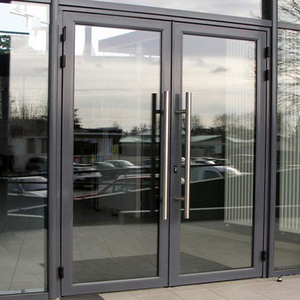
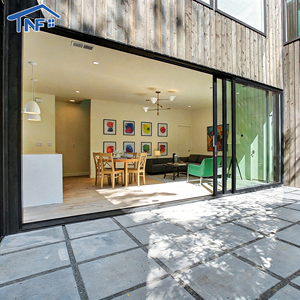
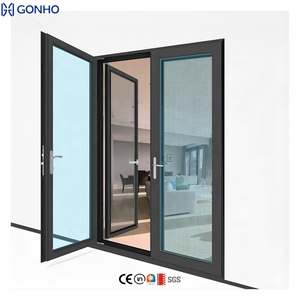
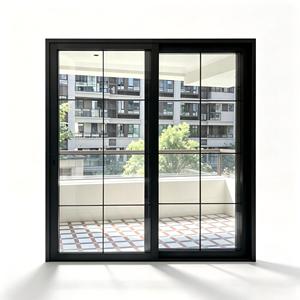
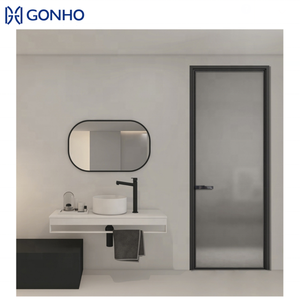
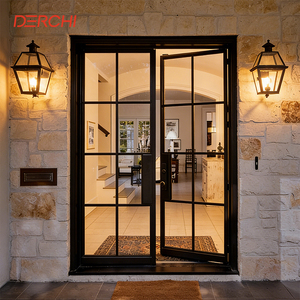
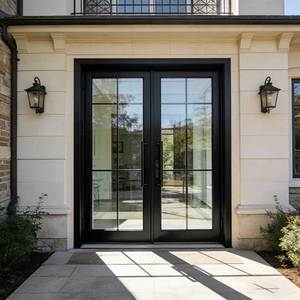
Precision-engineered extruded aluminum systems built for structural longevity, high thermal boundary protection, and bespoke luxury aesthetics. Each system integrates heavy-duty concealed German or Italian pivot and hinge hardware.
As monumental architecture demands boundless scale, aluminum pivot doors have shifted from decorative luxury statements to critical building envelope components requiring strict structural calculations.
Modern residential and commercial architecture is defined by uninterrupted sightlines, soaring ceiling clearances, and seamless indoor-outdoor transitions. Standard butt-hinged entrance doors face intrinsic physical limitations: when leaf widths exceed 1,200 mm or sash weights exceed 180 kg, hinge shear stress induces severe frame deflection, hinge knuckle wear, and progressive perimeter seal degradation. In contrast, architectural aluminum pivot doors transfer structural dead-load directly downward into the structural subfloor via an engineered bottom pivot axis. This mechanical configuration allows specifiers to safely execute oversized portal doors exceeding 2,500 mm in width and 4,500 mm in height, handling sash weights in excess of 600 kg without mechanical fatigue.
DERCHI’s engineering R&D department leverages virgin 6063-T6 and 6061-T6 structural aluminum alloys with profile web thicknesses up to 3.0 mm. Unlike entry systems that compromise structural rigidity for minimalist profiles, our multi-chamber extruded profiles incorporate internal corner cleats with pneumatic mechanical crimping and two-component structural adhesive injection. This guarantees that oversized door leaves resist torsional twisting under intense coastal dynamic gusting while maintaining silky-smooth balanced rotation.
Standard aluminum doors create an aggressive thermal bridge leading to heavy HVAC cooling losses in equatorial climates and interior condensation in cold climates. We integrate imported Technoform PA66 GF25 (25% fiberglass reinforced) thermal break strips across both frame and sash profiles. Coupled with warm-edge IGUs, our pivot door assemblies achieve overall thermal transmittance values as low as U-value ≤ 1.4 W/m²·K, fulfilling stringent ASHRAE 90.1, Title 24, and European low-energy envelope benchmarks.
A classic historical failure of oversized pivot doors has been air infiltration and moisture penetration at perimeter clearances. DERCHI addresses this vulnerability through automated perimeter mechanical drop seals and continuous marine-grade co-extruded EPDM foam gaskets. When the door swings to the zero position, concealed heavy-duty hydraulic plunger mechanisms instantly depress dual neoprene seal blades against low-profile architectural thresholds, achieving certified water tightness against torrential monsoon rain.
Oversized entrance doors must provide uncompromising physical security without cumbersome visible hardware. Utilizing our nationally patented Four-Side Six-Point Locking System, DERCHI pivot entrance assemblies link heavy-duty hardened stainless steel mushroom cams to concealed transmission rods. Turning the key or activating the integrated biometric access control engages locking points along the top jamb, bottom sill, pivot stile, and locking stile simultaneously, achieving RC3 / PAS 24 burglary resistance ratings.

Objective parameter analysis for façade engineers, general contractors, and procurement directors evaluating commercial pivot door systems from Chinese manufacturing centers.
| Performance Specification Parameter | DERCHI Architectural Pivot Door | Standard Commercial Chinese Pivot | Standard Hinged French / Swing Door |
|---|---|---|---|
| Maximum Clear Opening Size (W x H) | Up to 3,000 mm x 6,000 mm (Bespoke) | 1,200 mm x 2,400 mm (Fixed Standard) | 1,000 mm x 2,400 mm (Hardware Limited) |
| Profile Alloy & Wall Thickness | 6063-T6 / 6061-T6 (2.5 mm – 3.2 mm) | 6063-T5 (1.4 mm – 1.8 mm) | 6063-T5 (1.2 mm – 1.6 mm) |
| Thermal Boundary System | Technoform PA66 GF25 Polyamide (24mm–34mm) | Non-Thermal or Low-Grade PVC Strip | Standard 14.8mm Thermal Strip |
| Pivot Bearing Mechanism | Floor-Recessed Adjustable Hydraulic Cam (German/Italian) | Basic Surface-Mounted Pin Pivot | Exposed Butt Hinges (Shear Sensitive) |
| Wind Pressure Resistance (Deflection) | Design Wind Pressure ≥ 4,500 Pa (Class 5 / Typhoon) | 1,800 Pa – 2,400 Pa (Class 2) | 2,000 Pa (Class 2-3) |
| Water Penetration Resistance | Class 9A (≥ 600 Pa) via Dual Hydraulic Drop Seals | Class 3A (150 Pa) with Common Gap Leaks | Class 7A (350 Pa) with Stepped Threshold |
| Locking & Anti-Burglary Class | Patented 4-Side 6-Point Multipoint (RC3 / PAS 24) | Single-Point Mortise Roller Lock | Standard 3-Point Sash Hook Lock |
In-depth analysis of supply chain dynamics, decarbonization mandates, and smart system integration reshaping how developers and distributors source from China.
Procurement intent is moving away from all-glass pivot slabs toward composite architectural facings. Modern luxury residential projects increasingly specify monolithic sintered stone (porcelain slab), aviation-grade carbon-fiber skins, and fluted anodized aluminum panels bonded over thermal honeycombed aluminum cores. This creates high-thermal, acoustically deadened entrance monolithic leaves that weigh hundreds of kilograms but swing effortlessly on heavy-duty concealed pivots.
The convergence of building automation and fenestration is driving demand for automated pivot operation. High-end residential specifiers demand concealed in-floor brushless electro-mechanical drives connected directly to access control ecosystems. Doors can be unlocked and actuated via facial recognition, biometric fingerprint handles, or smart-home dry-contact relays, complete with battery backup systems and integrated emergency mechanical override safety clutches.
With global green building benchmarks such as LEED v4.1, BREEAM, and Singapore Green Mark imposing strict embodied carbon thresholds, project buyers require documented low-carbon aluminum sourcing. Top-tier Chinese manufacturers now procure hydroelectric-smelted primary aluminum with certified low carbon intensity, coupled with recyclable packaging and VOC-free powder coatings that meet Qualicoat Class 2 / AAMA 2604 long-term exterior durability rules.
Headquartered in Nanhai District, Foshan—the epicenter of China's architectural aluminum extrusion cluster—DERCHI delivers 25+ years of specialized fenestration manufacturing experience to international project teams.
Equipped with high-precision CNC 5-axis machining centers, automated profile routing, automatic corner-crimping lines, and robotic insulated glass sealing stations, our Foshan facility outputs over 1,000,000 m² annually. This scale ensures consistent lead times and batch consistency for large commercial towers and phased resort developments.
Our technical engineering team collaborates directly with façade consultants, providing finite element structural analysis (FEA), wind load calculations, thermal simulation reports, and detailed shop drawings. Our proprietary inventions—including our acclaimed anti-theft locking systems—give distributors unique intellectual property protection in their local markets.
From initial architectural CAD review to precision factory dry-assembly, every pivot door undergoes complete pre-shipment testing. Pivot balance, automated drop seal alignment, multi-point lock tolerances, and surface finish uniformity are thoroughly checked, preventing costly on-site modifications during field installation across North America, Asia, Europe, and Oceania.
Direct technical answers addressing structural integration, water prevention, hardware longevity, and export logistics for aluminum pivot entrance doors.