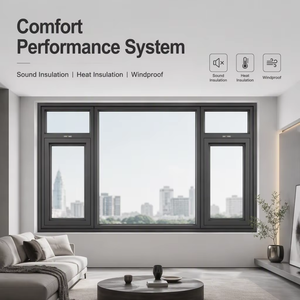
Engineered Fenestration & Architectural Aluminium Systems
Tested under rigorous coastal humidity and wind-load benchmarks, serving premier residential compounds, government installations, and hospitality developments across Bandar Seri Begawan, Belait, and Muara.
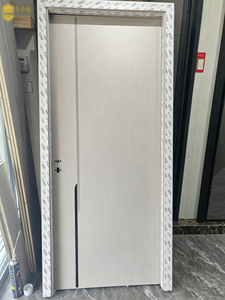
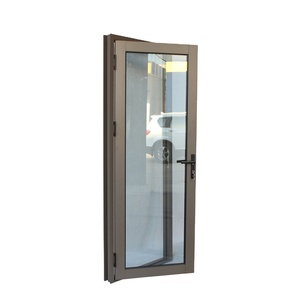
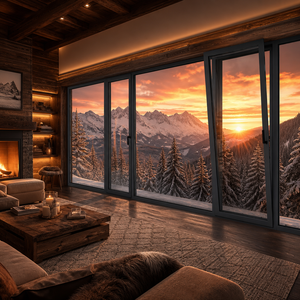
180,000 m²
Production Campus in Foshan
1,000,000+ m²
Annual Engineering Capacity
100+
Patented Technologies
18,000+
Global Projects Installed
Comprehensive Technical Report: Engineering CE Certified Aluminium Jali & Window Systems for Brunei Darussalam
As the construction landscape of Brunei Darussalam shifts decisively toward climate-resilient, energy-conservative, and culturally attuned architecture, the role of exterior window screens—traditionally termed Jali or architectural perforated mashrabiya panels—has transitioned from an ornamental consideration to a high-criticality building envelope element. In equatorial coastal settings such as Bandar Seri Begawan, Kuala Belait, and Tutong, fenestration assemblies endure relentless solar ultraviolet radiation, prolonged relative humidity regularly exceeding 85%, and ambient maritime airborne salinity carrying sodium chloride crystals directly from the South China Sea.
Under these stringent environmental dynamics, conventional low-grade ferrous grilles and unverified extruded aluminium alloys suffer rapid oxidation, galvanic corrosion, and mechanical failure at stress-bearing anchor joints. Furthermore, excessive internal heat build-up forces residential cooling systems to function at continuous maximum capacity. Guangdong Dejiyoupin Doors and Windows Co., Ltd. (DERCHI) resolves this tri-fold design challenge through precision manufacturing of CE-certified aluminium window systems and multi-layered CNC aluminium jali screens engineered specifically for equatorial maritime zones.
1. Metallurgy, Structural Alloys, and Marine-Grade Anodizing/Coating Science
Material longevity starts at the billet level. DERCHI utilizes virgin architectural 6063-T5 and structural 6061-T6 aluminium alloy profiles with tight metallurgical control. Iron (Fe) impurities are meticulously maintained below 0.35% to prevent the formation of cathodic intermetallic particles (Al-Fe-Si) that trigger pitting corrosion under Brunei's tropical rainfall. Each aluminium jali panel is fabricated from laser-cut architectural-grade aluminium sheet plates ranging from 3.0mm to 6.0mm in thickness, or extruded tubular profile assemblies that provide structural wind resistance without buckling under monsoonal gusts.
- CE Certified Mechanical Safety (EN 14351-1): Guaranteeing air permeability, water tightness, structural wind load tolerance (Class C5/B5), and impact safety.
- Qualicoat Class 2 / AAMA 2605 PVDF Coating: Fluoropolymer finishes infused with 70% Kynar 500 resin, resisting colour fading, chalking, and gloss degradation from Brunei's ultraviolet index (UV Index 11+).
- Anodic Oxidation Layer (AA25 Standard): Film thickness exceeding 25 microns with chemical dual-seal treatment, offering over 3,000 hours of continuous neutral salt spray resistance (ASTM B117) without film blistering.
2. Solar Heat Gain Coefficient (SHGC) & Aerodynamic Passive Ventilation Optimization
Building energy simulations across Southeast Asia demonstrate that unshaded glass envelopes account for over 58% of residential cooling energy consumption. By integrating architectural aluminium jali window screens ahead of high-performance thermal break casement or sliding windows, building engineers create a microclimate buffer zone. DERCHI's proprietary geometric screen arrays provide an effective shading coefficient (SC) between 0.32 and 0.45 while preserving minimum 35% free daylight transmission (VLT).
Moreover, the geometry of our jali patterns is engineered using computational fluid dynamics (CFD) modeling. The Venturi effect induced across the perforated perforations accelerates air velocity during low-wind equatorial afternoons, channeling ambient cross-ventilation into the interior without admitting direct tropical rain drift or insect vectors when mated with high-tensile 304 marine stainless steel security mesh.
Localized Architectural Applications in Brunei
Engineered for high-prestige private residences, institutional complexes, and coastal developments across the Sultanate.
Luxury Royal & Private Villas
Custom laser-cut Islamic geometric jali screens paired with double-glazed thermal break casement windows. Provides acoustic privacy, impenetrable multi-point barrier protection, and exquisite architectural prestige for luxury villas in Jerudong, Muara, and Bandar Seri Begawan.
Mosques & Cultural Establishments
Authentic Arabesque and Malay Islamic pattern integration with large-span structural spans. Resistant to atmospheric salinity near Brunei's riverbanks, guaranteeing structural integrity across decades without flaking, rust tears, or repetitive maintenance repainting.
Commercial & Mixed-Use Facades
Dynamic double-skin facade (DSF) aluminium screens that slash HVAC power loads for commercial office blocks and retail developments, meeting strict Green Building benchmarks and Brunei Energy Efficiency Guidelines.
Emerging Architectural Trends in the Brunei Market
As Brunei advances its Wawasan Brunei 2035 goals, sustainable infrastructure, energy conservation, and modernization of traditional cultural aesthetics have fundamentally redirected procurement specifications for project developers and governmental ministries (such as JKR - Jabatan Kerja Raya):
1. Decarbonization and Envelope Efficiency Mandates: Architects are pivoting away from monolithic curtain walls that trap heat. Integrating lightweight, rigid aluminium jali panels outside thermal-break double-glazed window frames allows modern buildings to reduce internal surface temperatures by up to 8.5°C, resulting in measurable kWh savings on chilled-water air-conditioning systems.
2. Fusion of Malay Heritage with High-Precision CNC Metallurgy: Traditional hand-carved wooden jalis deteriorate prematurely under Brunei's persistent humidity, fungal spores, and termite vectors. Custom CNC-milled aluminium alloys enable laser-fine replication of intricate floral motifs (Awan Larat) and geometric arabesques with structural tolerances down to ±0.2mm, delivering timeless aesthetics combined with industrial longevity.
3. Integrated Physical Security & Insect Defense: Rather than installing unsightly, prison-style welded burglar bars, Bruneian homeowners demand integrated solutions. DERCHI's proprietary systems combine aesthetic jali shading panels with hidden multi-point perimeter locks and high-visibility stainless steel micro-mesh, simultaneously thwarting forced entry and pest infiltration without obstructing outdoor vistas.
Engineered 8-Step Delivery Workflow
From architectural CAD review to verified container dispatch, our engineering workflow ensures millimetre precision for international developers.
01
Drawing Review
In-depth structural appraisal of your CAD/BIM architectural blueprints and wind elevation parameters.
02
R&D Customization
Alloy selection, thermal barrier sizing, and laser-cut pattern aerodynamic simulation.
03
Technical Proposal
Exhaustive bill of quantities (BOQ), static wind load calculations, and acoustic damping estimates.
04
Detail Finalization
Written sign-off on shop drawings, powder-coat RAL samples, and customized hardware configurations.
05
Order Booking
Deposit confirmation, prioritized extrusion scheduling, and raw billet quality verification.
06
Site Audit Guidance
Laser measurement guidance and structural aperture tolerance checks to eliminate site fitting gaps.
07
Intelligent Machining
CNC cutting, robotic argon shielding, multi-point lock fitting, and 360-degree quality inspections.
08
Logistics & Site Guide
Ocean container seaworthy packing and comprehensive on-site installation technical documentation.
Why Brunei Specifiers & Contractors Select DERCHI
Operational stability, certified quality benchmarks, and factory-direct engineering accountability.
180,000 m² Advanced Production Base
Located in Nanhai, Foshan—China's capital of aluminium extrusion—our massive manufacturing base enables rapid batch output of customized window frames, jali screen panels, and sunrooms, delivering complete multi-storey projects on schedule.
100+ Patents & Anti-Theft Invention
Equipped with proprietary industrial patents including our exclusive Four-Side Six-Point Lock mechanism. Ensures supreme structural sash compression, wind-load resistance, and tamper-proof protection for residential peace of mind.
Global Certification Coverage
Every fenestration batch complies with verified international standards: European CE mark, Australian AS2047, North American NFRC/CSA, ISO 9001 quality management, and high-velocity hurricane impact test certifications.
Recognized by Xinhua News Agency
DERCHI has been formally recognized as a certified "China Brand" by world-class media authority Xinhua News Agency, testifying to our steadfast operational integrity, precision engineering, and product quality commitment.
30+ Dedicated Senior R&D Engineers
Our in-house technical team calculates deflection values, thermal bridges, water barrier drainage cascades, and sound transmission coefficients (STC) custom-tailored to each project's climate parameters.
Direct Sea Logistics to Muara Port
Leveraging immediate proximity to Pearl River Delta container ports (Guangzhou / Shenzhen), Brunei contractors benefit from streamlined shipping schedules, dedicated export crating, and minimal transshipment risks.
Frequently Asked Questions for Brunei Procurement
Clear, definitive technical clarifications addressing environmental, logistical, and architectural concerns.
How does aluminium jali withstand Brunei's coastal humidity compared to wood or mild steel?
Unlike timber, which swells, rots, and attracts fungal/termite decay in tropical climates, or mild steel which inevitably rusts and stains facade render, our architectural aluminium alloys (6063-T5) undergo Qualicoat Class 2 powder coating or 25-micron anodization. This creates an impermeable inert barrier completely resistant to humidity and airborne sea salt, with zero maintenance painting required over a 20- to 30-year lifecycle.
Can you custom-manufacture Islamic geometric patterns according to our architectural project drawings?
Yes. Our multi-axis CNC laser cutting and punch-press production lines can reproduce any vector-based Islamic arabesque, geometric polygon, or traditional Malay motif (such as Ketam Guring or Awan Larat). Our engineering department converts your CAD DWG or DXF files into high-tolerance fabrication layouts within 24–48 hours.
What glass configuration is recommended to pair with window screens in Brunei?
We recommend combining our thermal-break aluminium window frames with double-glazed Insulated Glass Units (IGU): 6mm Solar-Control Low-E tempered glass + 12A Argon air space + 6mm clear tempered glass. When shaded externally by our aluminium jali panels, this combination achieves an extraordinary overall U-value below 1.6 W/m²K and an SHGC under 0.28, drastically cutting household air-conditioning power bills.
What are the sea freight logistics and typical lead times to Muara Port, Brunei?
Standard fabrication for custom extrusion and CNC-machined projects is approximately 25 to 35 calendar days following shop-drawing sign-off. Direct or short-transit ocean container lines from Shenzhen or Nansha to Muara Port typically take 8 to 14 days at sea. All products are crated in seaworthy, fumigated plywood cases with internal shock absorbers and moisture-desiccant packaging.
Are DERCHI window systems compliant with local JKR (Public Works Department) building requirements?
Yes. Our systems comply with CE (EN 14351-1), AS2047, and ISO 9001 standards, which align with and exceed the material and structural requirements enforced by Brunei's Ministry of Development, ABCi, and JKR specifications for architectural aluminium works and structural wind loading.
Ready to Engineer Your Project in Brunei?
Consult with DERCHI’s senior facade engineers today. Send your architectural elevations, window schedules, and customized jali pattern concepts for a comprehensive technical analysis, thermal calculation, and factory-direct quotation.